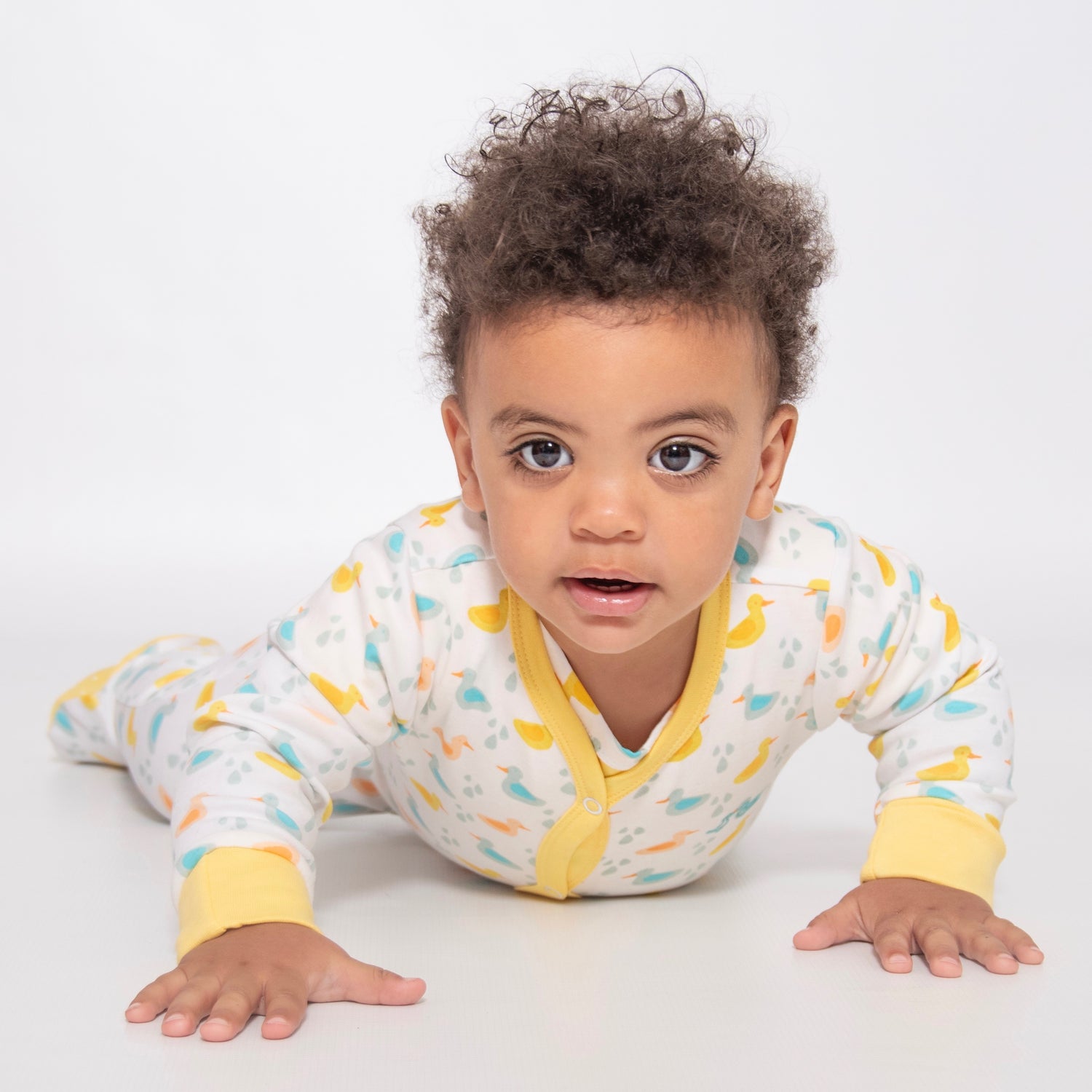


How Sensory-Friendly Sleepwear Helps Little Ones Sleep More Soundly
Sleep is essential for a child’s growth, mood, and overall wellbeing. Yet for many families, bedtime can feel like a daily struggle. Tossing, turning, itchy fabrics, and seams that rub the wrong way can keep little ones awake long after the lights go out. For children who are especially sensitive to touch, these small discomforts can feel overwhelming.
Sensory-friendly sleepwear is designed to reduce these issues and create a calmer bedtime experience. By focusing on softness, fit, and thoughtful design, these garments help children relax and settle into deeper, more restful sleep. For parents looking to support healthy sleep habits, understanding how sensory-friendly sleepwear works can make a meaningful difference.
Understanding Sensory Sensitivities in Children
Many children experience some level of sensory sensitivity. This means their nervous system processes sensations like touch, temperature, or pressure more intensely than others. While sensory sensitivities are often discussed in relation to autism or sensory processing differences, they are actually quite common in young children.
Common signs of tactile sensitivity include:
-
Complaints about itchy or scratchy clothing
-
Discomfort with tags, seams, or tight waistbands
-
Resistance to getting dressed or changing clothes
-
Trouble settling down at bedtime
At night, when the body is meant to relax, uncomfortable clothing can keep the brain alert. Even minor irritations may prevent children from reaching the deeper stages of sleep they need.
Why Sleepwear Matters More Than You Think
Sleepwear is in constant contact with the skin for many hours. Unlike daytime clothes, it cannot be ignored or adjusted easily once a child is in bed. If fabric feels rough or restrictive, it can cause frequent waking or difficulty falling asleep.
Research shows that physical comfort plays a direct role in sleep quality. According to the National Sleep Foundation, a comfortable sleep environment, including what we wear to bed, helps the body maintain a stable temperature and reduces sleep disruptions. For children, whose skin can be more sensitive than adults, this comfort becomes even more important.
Sensory-friendly sleepwear addresses these concerns by removing common irritants and supporting the body’s natural need to rest.
What Makes Sleepwear Sensory-Friendly?
Sensory-friendly sleepwear is not about flashy designs or extra features. It focuses on thoughtful simplicity. Each detail is chosen to minimize irritation and promote calm.
Soft, Breathable Fabrics
Fabric choice is one of the most important factors. Natural fibers like organic cotton are widely recommended for children’s sleepwear because they are gentle on the skin and allow airflow. Breathable materials help regulate body temperature, reducing night sweats or chills that can interrupt sleep.
Many parents seek organic pyjamas kids can wear comfortably all night. Organic cotton is grown without harsh chemicals, which means fewer residues that might irritate sensitive skin. It is also known for its softness and durability.
Tag-Free and Seam-Conscious Design
Tags can be a major source of discomfort. Sensory-friendly sleepwear often features printed labels instead of sewn-in tags. Seams are kept flat or placed away from high-friction areas to avoid rubbing.
Even small design changes like these can help children stay asleep longer without waking due to irritation.
Relaxed, Non-Restrictive Fit
Tight cuffs, elastic waistbands, or narrow necklines can feel constricting. Sensory-friendly sleepwear is designed with a relaxed fit that allows children to move freely during sleep. This reduces pressure points and supports natural movement as they change positions throughout the night.
Simple Closures and Finishes
Buttons, zippers, and snaps should lie flat and feel smooth against the skin. For some children, complicated fastenings can be uncomfortable or distracting. Well-designed sleepwear keeps these elements minimal and practical.
The Role of Temperature Regulation
Children can be sensitive to temperature changes during the night. Overheating or feeling too cold can lead to frequent waking. Sensory-friendly sleepwear supports temperature balance by using breathable fabrics and appropriate weights.
Lightweight cotton is suitable for most indoor environments, while slightly thicker options can provide warmth without bulk during cooler months. Layering with breathable blankets allows parents to adjust warmth without changing the sleepwear itself.
Maintaining a stable body temperature helps the body stay in deeper sleep stages for longer periods.
How Sensory-Friendly Sleepwear Supports Better Sleep
When children feel comfortable, their bodies can relax. This physical calm signals the brain that it is safe to rest. Over time, this can lead to improved sleep patterns.
Benefits parents often notice include:
-
Faster bedtime settling
-
Fewer nighttime awakenings
-
Longer sleep duration
-
Improved mood and focus during the day
A study published in the journal Sleep Medicine highlights that minimizing sensory discomfort can improve sleep onset and reduce night waking in children with heightened sensitivities. While every child is different, reducing physical stressors is a helpful step for many families.
Choosing the Right Sensory-Friendly Sleepwear
Not all sleepwear labeled as soft or comfortable meets the needs of sensitive children. Knowing what to look for can help parents make confident choices.
Prioritize Fabric Quality
Look for natural, breathable materials that feel soft to the touch. Many families prefer children's organic pyjamas because they combine comfort with responsible manufacturing practices.
Wash new garments before use to remove any remaining residues and further soften the fabric.
Check Construction Details
Turn the garment inside out and inspect seams and labels. Flat seams and printed tags are signs of sensory-aware design.
Consider Your Child’s Preferences
Some children prefer snug fits, while others need looser clothing. Involve your child in choosing sleepwear when possible. Their comfort and confidence play a role in how easily they relax at bedtime.
Think Beyond Pyjamas
Comfortable sleepwear can include matching tops and bottoms, nightshirts, or relaxed sets that double as cozy evening wear. Soft kids loungewear can be helpful during wind-down time before bed, creating a smooth transition from play to sleep.
Building a Sensory-Friendly Bedtime Routine
Sleepwear works best as part of a consistent bedtime routine. Predictable steps help signal to the body that sleep is coming.
A calming routine may include:
-
Changing into soft, comfortable sleepwear
-
Dimming lights to reduce stimulation
-
Reading a quiet story or listening to gentle music
-
Keeping the bedroom cool, dark, and quiet
When children associate their sleepwear with comfort and calm, it becomes a powerful cue for rest.
Supporting Different Ages and Stages
Sensory needs can change as children grow. Toddlers may be more sensitive to seams and fastenings, while older children may become more aware of fit and texture.
Choosing well-made children's pyjama sets that maintain softness after repeated washing can support consistent comfort through growth spurts. Adjustable waistbands and flexible fabrics help accommodate changing bodies without causing discomfort.
For children who resist bedtime clothing changes, offering options that feel familiar and gentle can reduce stress at the end of the day.
Caring for Sensory-Friendly Sleepwear
Proper care helps maintain the softness and integrity of sleepwear. Follow washing instructions carefully, using mild detergents without added fragrances or dyes. Avoid fabric softeners, as they can leave residues that irritate sensitive skin.
Line drying or using a low-heat setting can help preserve fabric quality and prevent shrinkage.
A Thoughtful Choice That Supports Rest
Sensory-friendly sleepwear is not about perfection. It is about reducing small barriers that stand between a child and a good night’s sleep. When fabric feels gentle, seams stay out of the way, and fit allows freedom of movement, children are better able to relax and rest.
For families navigating bedtime challenges, focusing on comfort is a practical and caring step. Over time, improved sleep can support better health, learning, and emotional balance for little ones.
If you are exploring soft, thoughtfully designed sleepwear made with children’s comfort in mind, take a look at the collections available at Luca and Rosa. Their focus on gentle fabrics and careful design supports calmer nights and happier mornings. Learn more and discover options that suit your child’s needs by visiting https://lucaandrosa.com.


